Skip to content

The cost to hire a plumber ranges from $45 to $200 per hour, depending on experience (whether you hire an apprentice or a master plumber), job complexity, time of service, and geographic location. Hiring a plumber costs between $150 and $500 for standard residential repairs, though complex projects like sewer line restoration can exceed $4,000. You should also expect a diagnostic or service call fee between $50 and $150, which many technicians apply toward your final repair bill.
While flat-rate pricing for minor fixes averages $400, emergency services during weekends or holidays can be 2x to 3x the standard rates, reaching $400 to $600 per hour. The age of your home and ease of access to pipes further influence the price, as hidden leaks behind walls or under slabs require more labor and demolition.
Specific fixture tasks, such as unclogging a drain or fixing a toilet, range from $100 to $300, while major installations, such as water heaters, cost between $1,200 and $3,500. To manage these costs effectively, homeowners should prioritize preventative maintenance, batch minor repairs into a single visit, and verify that the plumber is licensed and insured. Providing clear access to the work area before the technician arrives also helps reduce billable labor time.
What Do Plumbers Charge on Average?
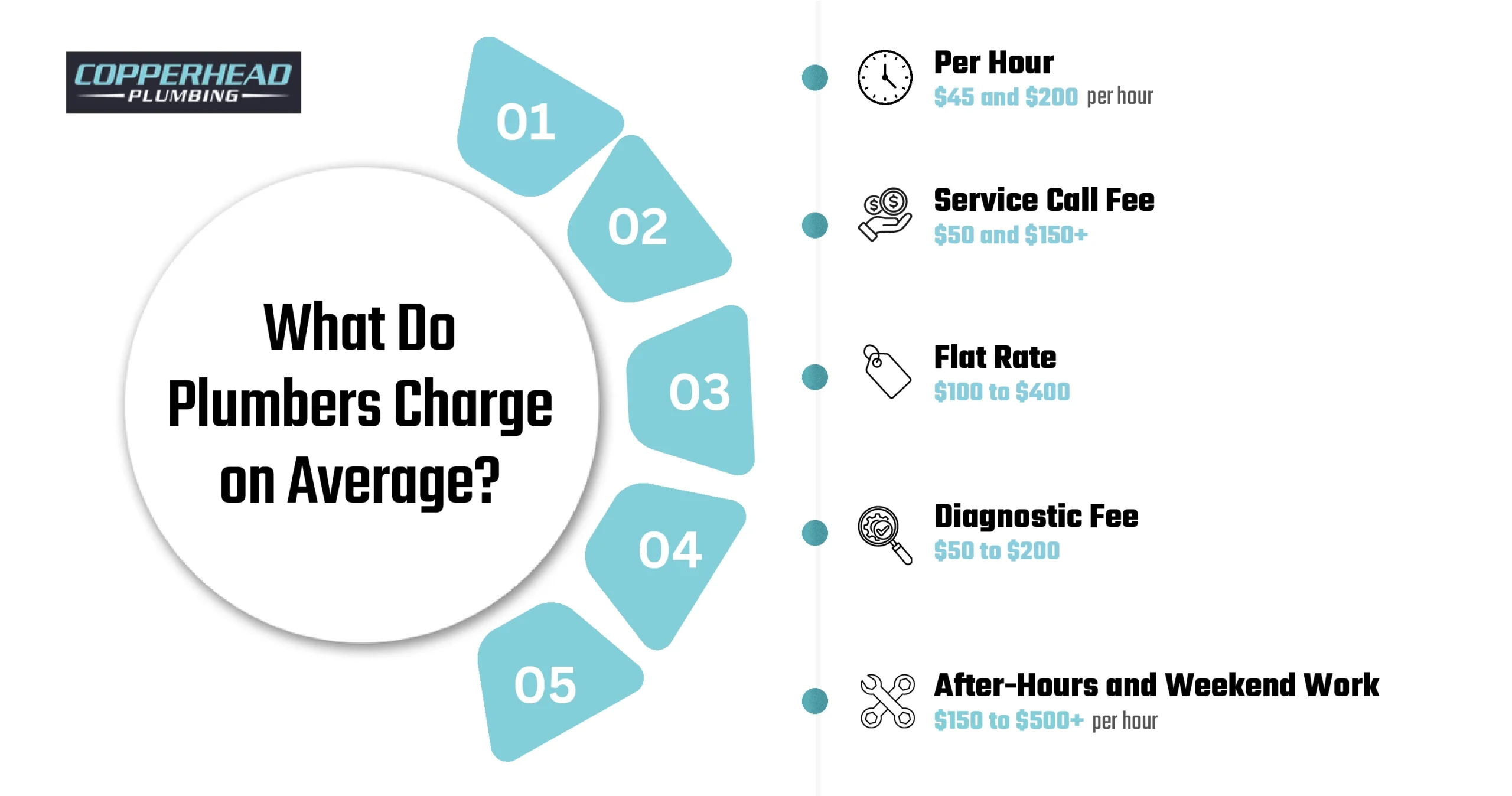
Plumbers charge an average of $90 to $150 per hour for common plumbing services. This total cost reflects labor, travel, materials, and the complexity of the plumbing repair. A standard service call, such as fixing a leaking faucet or unclogging a drain, stays near the lower end of this range. More complex plumbing jobs, such as repairing burst pipes or working on a sewer line, increase the total cost by $300 to $500. The plumber includes time, parts, and diagnostic effort in the final bill.
Plumbing costs vary based on location, system condition, and job scope. A licensed and insured plumber helps prevent water damage and ensures long-term system reliability, especially for complex repairs.
How Much Do Plumbers Charge Per Hour?
Plumbers charge between $45 and $200 per hour, covering the cost of specialized tools, insurance premiums, and technical expertise. Most homeowners pay $75 to $150 per hour for standard residential service, ensuring the technician can handle routine plumbing repairs efficiently. These hourly rates fluctuate based on the plumber’s experience level, with master plumbers commanding higher fees than apprentices.
What Is the Average Plumber Service Call Fee?
Plumbers charge between $50 and $150+ for a service call, and it covers fuel, travel time, and the initial diagnosis. Most plumbing technicians apply this trip fee to ensure a professional evaluation of your plumbing scope. Factors affecting the total cost include your location, the plumber’s experience level, and local demand.
How Much Does a Flat Rate Plumber Cost?
Flat rate plumber costs range from $100 to $400 for standard, minor repairs because this model bundles labor and parts into a single price. Most homeowners pay an average total cost of $400 per job. This flat rate pricing depends on the repair’s complexity and your location, providing price transparency and protecting your budget from fluctuating hourly labor rates.
What Is the Average Cost for a Plumber’s Diagnostic Fee?
The cost of a plumber’s diagnostic fee ranges from $50 to $200 and covers travel and a professional assessment of your system. This trip fee is often waived or applied toward the total cost of plumbing repairs if you proceed with the service. Prices fluctuate based on your location, the technician’s expertise, and the complexity of the inspection.
What Do Plumbers Charge for After-Hours and Weekend Work?
Plumbers charge $150 to $500+ per hour for after-hours and weekend work because emergency availability requires a significant labor surcharge. This rate doubles or triples standard fees during evenings, weekends, and holidays. Total costs fluctuate based on the plumber’s experience and the urgency of the dispatch. For instance, a midday repair may cost $150, whereas the same fix can spike to $300 or more at midnight.
How Much Does an Emergency Plumber Cost?
Emergency plumbers cost $150 to $500+ per hour for urgent, after-hours repairs. Evening, weekend, or holiday calls often double the standard plumber cost per hour, pushing emergency plumber cost to $400 to $600 per hour, depending on urgency and location. Emergency plumbing refers to immediate repairs required to prevent water damage, such as burst pipes, sewer backups, or major leaks. A plumber charges higher rates because the service requires rapid response, specialized tools, and off-hour labor.
Common emergency plumbing services include fixing burst pipes, stopping severe leaks, and restoring blocked sewer lines. The total cost varies based on repair complexity, access to the pipe, and time of service, especially during late-night calls.
How Do Plumbers Charge for Plumbing Services?
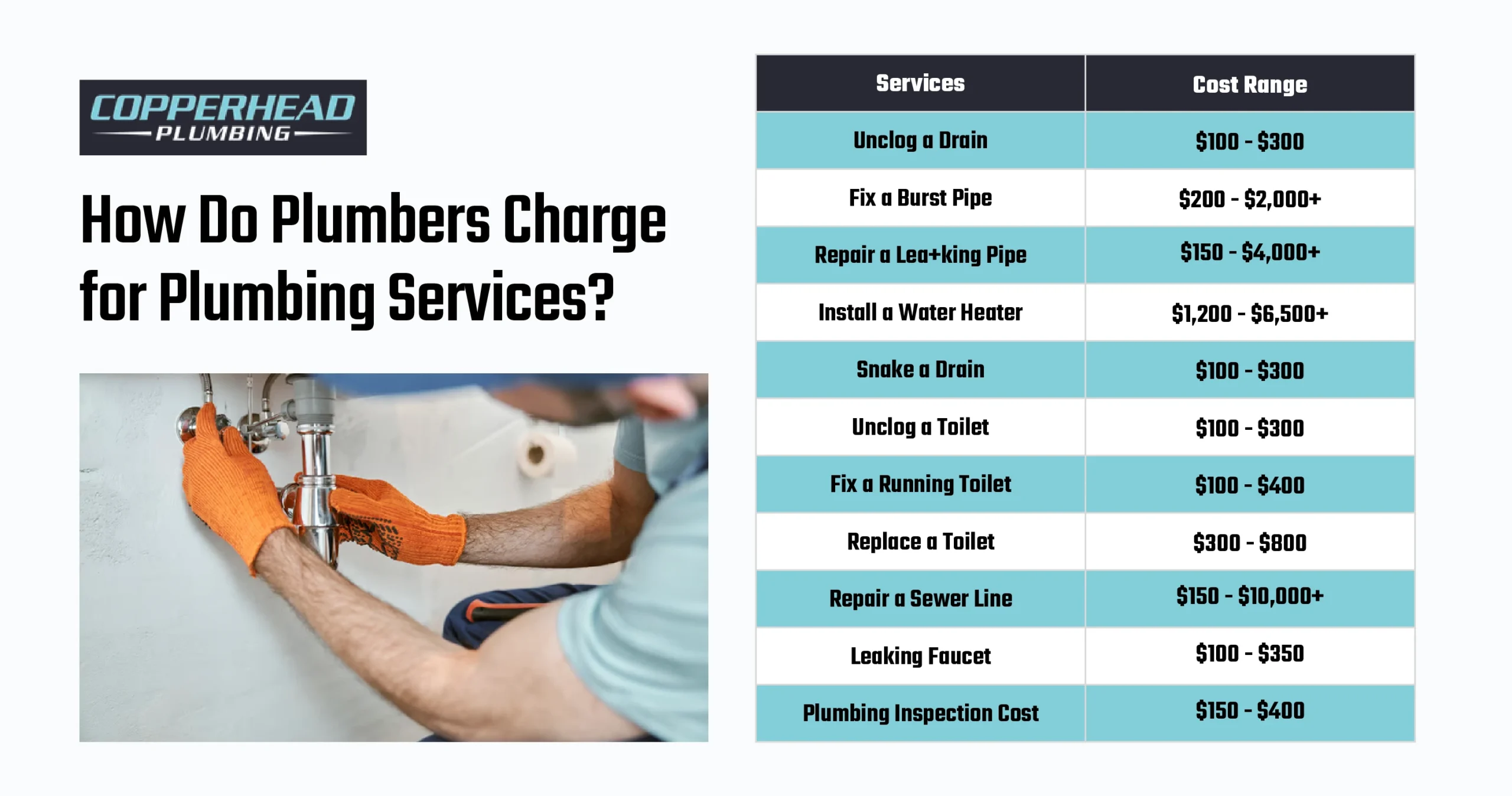
Plumbers charge for services using a combination of a diagnostic fee of $50 to $200 and either an hourly rate of $45 to $200+ per hour or a flat project fee. This pricing structure applies to common plumbing services, including drain cleaning, burst-pipe repair, leaking-pipe repair, water heater installation, toilet repair, sewer line work, faucet repair, and plumbing inspection. Total plumbing costs vary by job complexity, urgency, location, pipe access, material, and plumber experience. After-hours or holiday calls can double or triple the final charge.
How Much Does It Cost to Unclog a Drain?
Unclogging a drain costs between $100 and $300 for residential services. If the blockage is deep or complex, costs can rise significantly; for instance, clearing a main sewer line may cost $500 to $1,000 or more due to the need for specialized equipment and labor. The final cost depends on factors such as the clog’s location, the condition of the pipes, and accessibility. A kitchen sink clog is less expensive to fix than a blocked sewer line, which requires more time and expertise to resolve.
What Is the Average Cost to Fix a Burst Pipe?
The cost to fix a burst pipe ranges between $200 to $1,000 for standard repairs. Exposed pipes incur lower costs, while hidden repairs within walls, ceilings, or foundations can escalate to $150 to $2,000+ due to additional labor. Severe water damage can further inflate costs, reaching $5,000 to $15,000 or more. Replacing damaged pipe sections increases total expenses compared to simply sealing a crack. For example, repairing a visible pipe is cheaper than replacing a burst pipe hidden behind drywall, which requires cutting the wall, replacing the pipe, and restoration.
How Much Will a Plumber Charge to Repair a Lea+king Pipe?
Plumbers charge between $150 and $500 for minor, accessible pipe leak repairs involving visible joints or segments. For significant hidden leaks or burst pipes requiring wall access, costs can range from $1,000 to $4,000+. The final price is influenced by the pipe’s location, material, and the level of demolition required for access. For instance, fixing a leaking pipe under a sink is relatively quick and affordable, while a pressurized leak behind a wall demands more labor and specialized tools, substantially increasing costs.
What Does It Cost to Install a Water Heater?
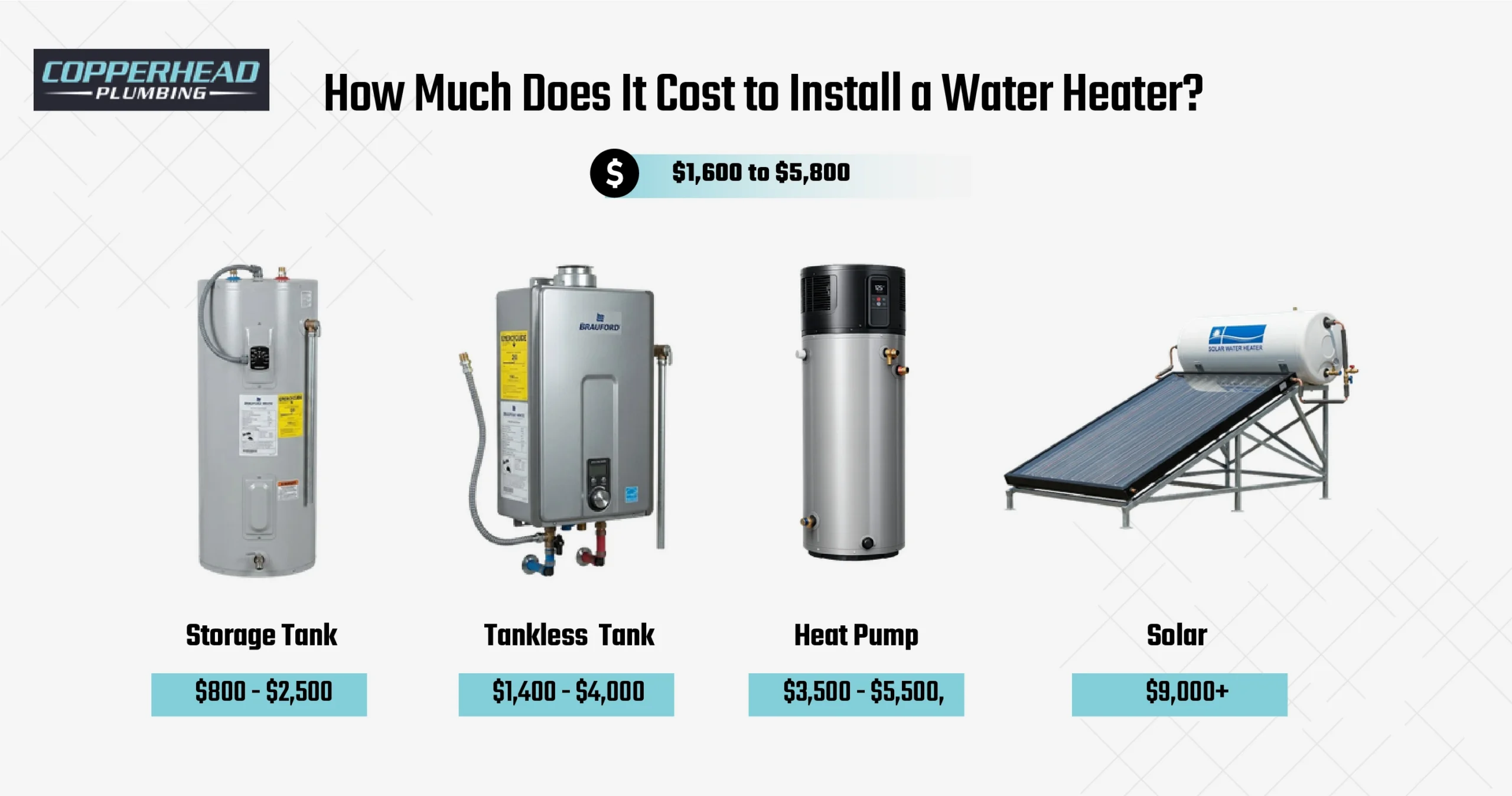
A new water heater installation costs between $1,200 and $3,500 for standard tank models. High-efficiency options like tankless heaters range from $2,100 to $4,000+, and heat pump heaters cost between $3,500 and $6,500+. Homeowners face decisions between minor repairs, such as fixing a thermocouple, and complete system replacements for long-term reliability. Expenses vary based on unit type, local labor rates, and installation complexity. For instance, swapping an electric tank in an accessible space is routine, whereas transitioning to a tankless system often requires major upgrades and permits.
How Much Should You Pay to Snake a Drain?
Snaking a drain costs between $100 and $300 for common household clogs. Minor obstructions, like bathroom sinks, average $100 to $275, while clearing main sewer lines can cost $600+. For severe blockages, technicians may suggest hydro-jetting as an effective alternative. The final cost depends on factors like the depth of the clog, the type of drain, and whether specialized camera inspections are needed. For example, a straightforward clog in a kitchen sink is less expensive than a complex blockage in a main sewer line.
How Much Should a Plumber Charge to Unclog a Toilet?
Plumbers charge between $100 and $300 to unclog toilets, as most blockages require specialized augers or flange plungers. If the toilet is old or cracked, a technician may recommend a full replacement to prevent future leaks. Costs vary based on clog severity, service timing, and whether the technician needs to remove the toilet from the floor to clear the line. For instance, an easily accessible clog may cost less, while a severe blockage requiring more intensive labor increases the total price significantly
What Is the Average Cost to Fix a Running Toilet?
Fixing a running toilet costs between $100 and $400, covering diagnostic visits and internal tank hardware replacements. Many plumbers focus on specific repairs, such as replacing a leaking flapper or a faulty fill valve, while a complete tank rebuild can provide greater durability for older units. Total expenses depend on the toilet model and the complexity of the internal mechanism. For example, basic gravity-flush repairs tend to be straightforward and affordable, whereas high-efficiency pressure-assisted systems may require specialized parts, which can raise overall repair costs.
What Is the Average Cost to Replace a Toilet?
The average cost to replace a toilet is between $300 and $800, covering the new unit purchase and installation labor. Many homeowners choose complete replacements to modernize bathrooms, while a repair with new internal hardware is more budget-friendly if the existing porcelain is in good condition. For instance, installing a standard two-piece model is easier and less costly. Conversely, high-end wall-mounted or smart toilets demand advanced structural support and electrical work, significantly increasing labor costs. The discovery of a rotted floor flange during installation can also increase total expenses.
How Much Does It Cost to Repair a Sewer Line?
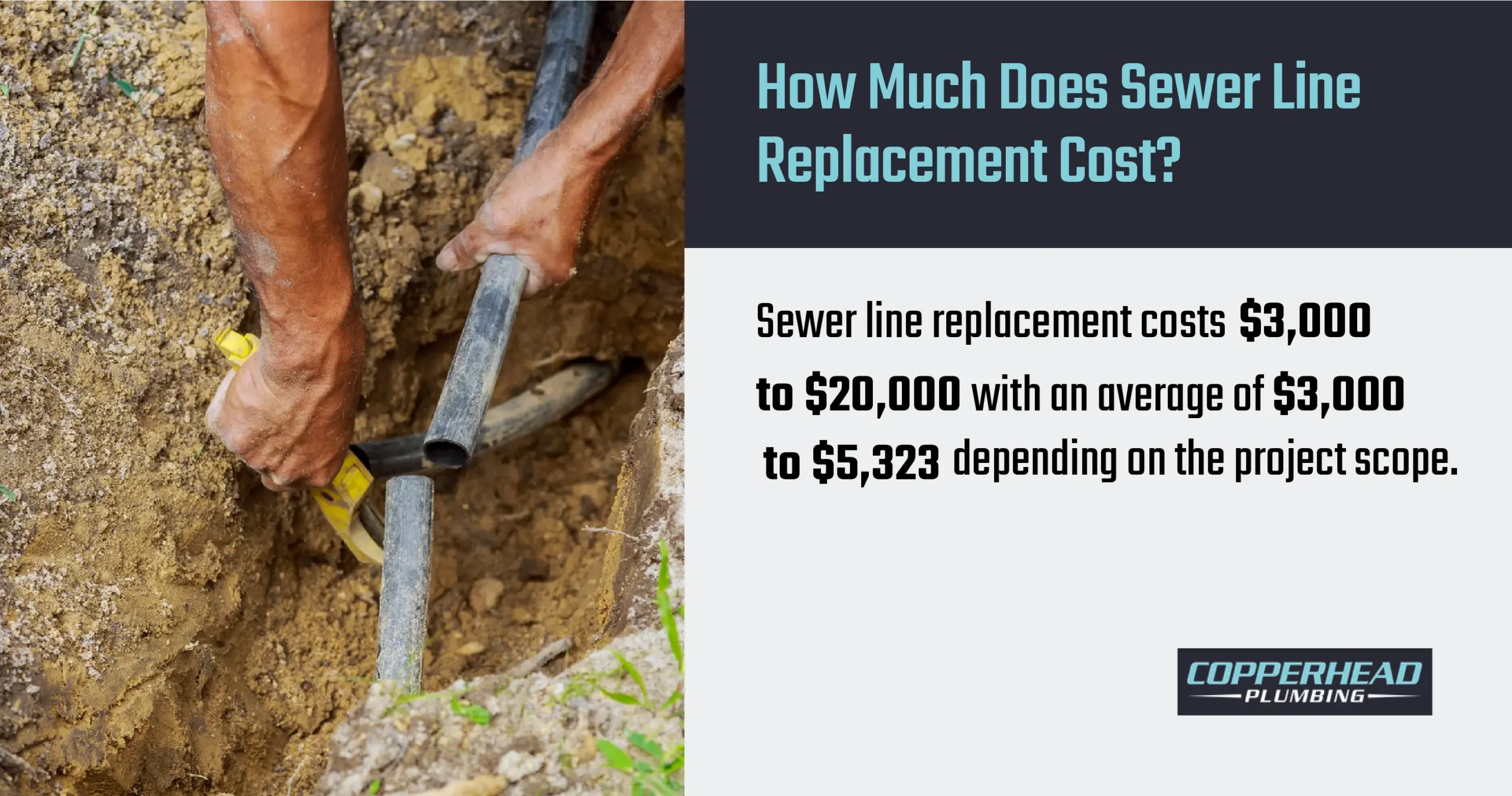
Sewer line repairs cost between $150 and $3,800 for minor fixes, while full replacements average $3,000 to $10,000 or more. Major excavations or trenchless technologies require heavy equipment, leading homeowners to choose between localized patches or complete replacements for long-term issues like root intrusion. Total expenses vary based on pipe length, depth, and repair method. For example, a simple spot repair on an accessible line is affordable, but deep lines under driveways or landscaping entail extensive digging, significantly increasing costs
How Much Does It Cost to Fix a Leaking Faucet?
Fixing a leaking faucet costs between $100 and $350, as it involves precise disassembly and specialized seals. A simple washer replacement averages $100 to $150, while severe corrosion may necessitate a full faucet replacement costing $200 to $600+. Final prices fluctuate based on faucet type, such as cartridge or disc models, and the need for proprietary high-end parts. For instance, basic repairs are economical, whereas complex faucet models requiring specialized components can lead to higher repair costs.
How Much Does a Plumbing Inspection Cost?
A plumbing inspection costs $150 to $400 and provides a thorough evaluation of your home’s pipes and fixtures. Basic visual checks range from $100 to $300, while comprehensive assessments using camera scoping can run $300 to $600+. Factors affecting total costs include home size and regional labor rates. Investing in a professional inspection is a proactive step that helps identify hidden leaks before they lead to extensive damage. For example, early detection can prevent costly repairs, making inspections a wise investment for homeowners.
How Much Does It Cost to Replumb a House?
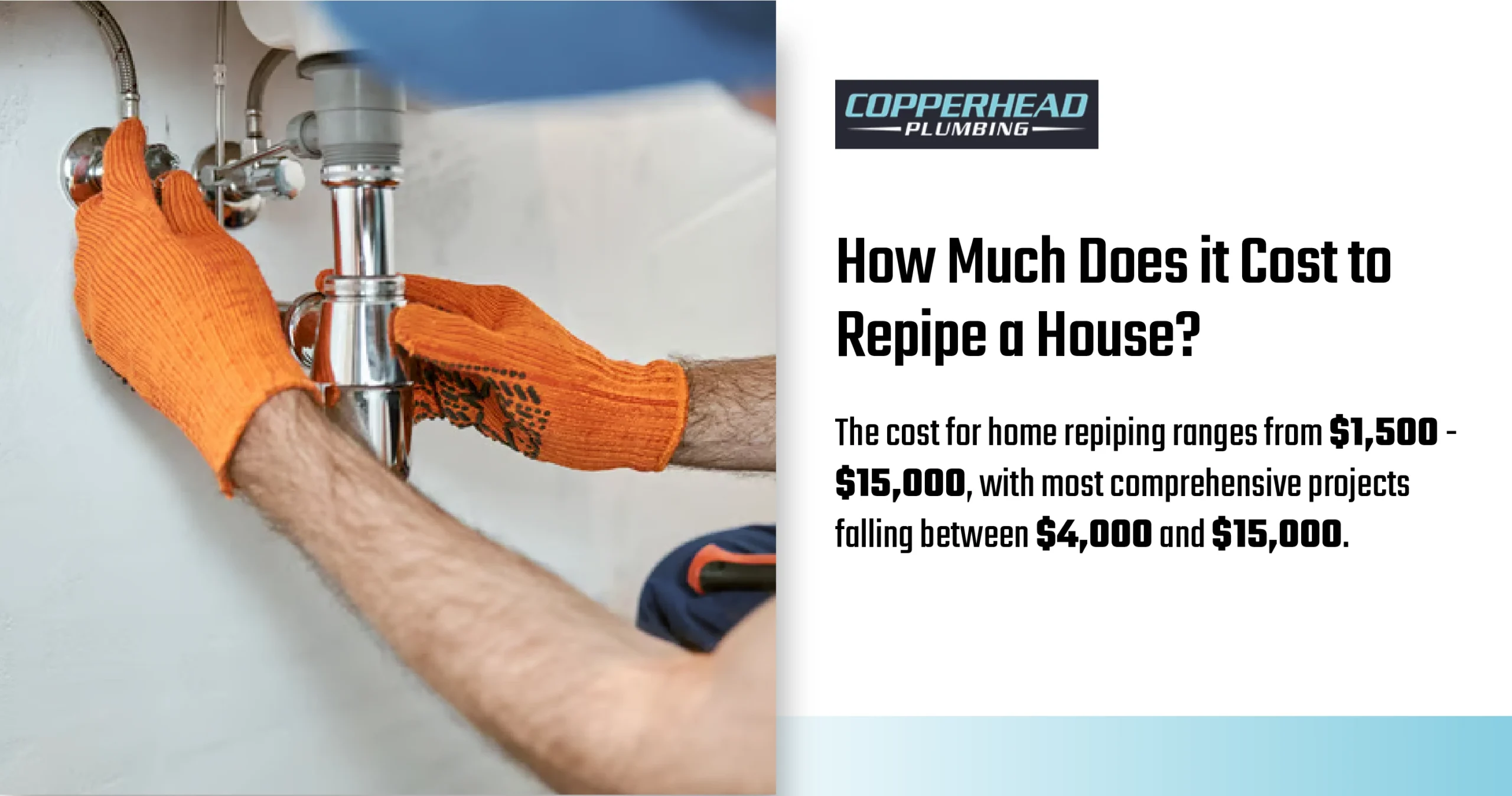
Replumbing a house costs between $4,500 and $12,000 for a 1,500 sq ft home. Homes between 1,000 and 1,500 sq ft cost $5,500 to $11,000, while homes between 1,500 and 2,000 sq ft cost $7,500 to $17,500. Larger homes over 3,000 sq ft can exceed $12,000 to $27,000+ due to increased pipe length and fixture count.
Several factors affect replumbing cost. Pipe material such as copper or PVC, labor time, accessibility behind walls, and plumbing complexity all increase total expenses. Drywall repair and fixture replacement also add cost. Additional expenses include permits, inspections, and pipe scoping, which can cost $200 to $1,500. A full home repiping project, often called replumbing, takes 3 to 7 days, depending on house size and system complexity.
Plumber Cost By Fixture Installation Type
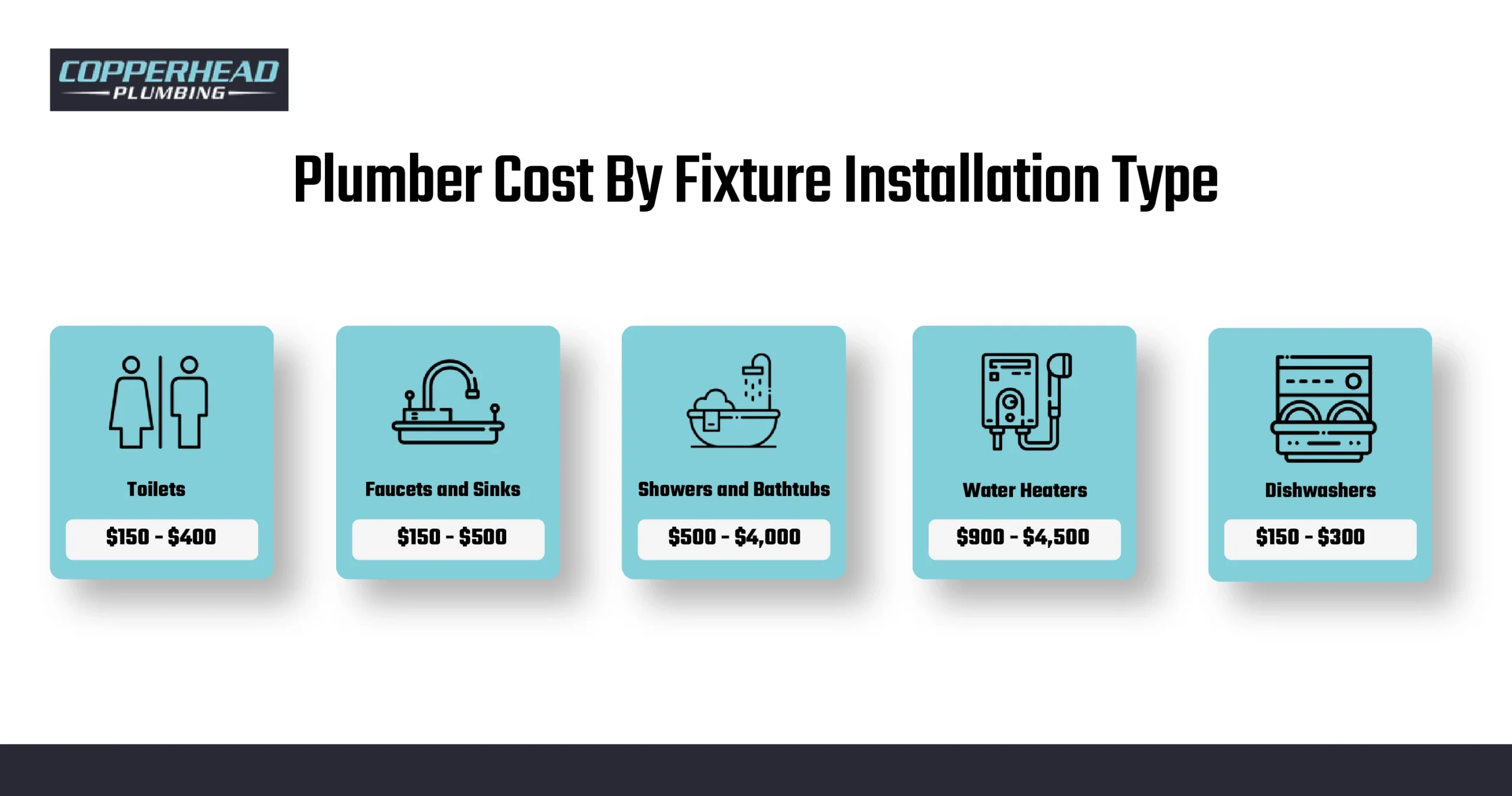
Plumber costs by fixture type range from $150 to $1,200 per fixture for most standard residential plumbing installations. A plumber charges based on fixture type, installation complexity, and required modifications to the plumbing system. Fixture installation involves connecting new plumbing components such as toilets, sinks, or water heaters to existing water lines, drains, and valves. The total cost includes labor, materials, and any required adjustments to cabinets, walls, or flooring.
Common Fixtures and Cost Breakdown
- Toilets: Standard installation or replacement costs $150 to $400, while high-efficiency or smart toilets range from $250 to $800+. Wall-hung systems can cost $2,000 to $3,500 due to structural and plumbing adjustments.
- Faucets and Sinks: Standard sink or faucet installation costs $150-$500. Complex faucet setups, such as granite-mounted units, range from $250 to $600. A full kitchen sink and faucet installation costs $200 to $1,000, depending on cabinet modifications.
- Showers and Bathtubs: Shower valve installation costs $500 to $1,500, while shower stall systems range from $800 to $2,500. Bathtub installation costs $1,000 to $4,000 due to plumbing and space requirements.
- Water Heaters: Tank water heater installation costs $900 to $2,800, while tankless water heater systems range from $1,800 to $4,500 due to additional upgrades.
- Dishwashers: It costs $150 to $300 for standard connections using existing plumbing lines, while prices increase if new piping, valve replacement, or cabinet modifications are required.
Labor rates, material type, fixture complexity, and installation location directly affect total plumbing installation cost.
What Are the Factors that Affect the Cost of Hiring a Plumber?

The cost of hiring a plumber is affected by the type of plumbing repair and its complexity, your location, the plumber’s experience, the cost of materials, the ease of access to pipes, required permits, the time and urgency of the call, the size and scope of the work, and the age of the home. These factors dictate the final price because they determine the amount of specialized labor and the volume of high-quality components needed to ensure a durable, code-compliant fix.
Type of Plumbing Repair
The cost for specific plumbing repairs ranges from $150 to $800, though major projects like sewer line replacement can exceed $4,000. This factor dictates the required expertise, specialized tools, and total labor hours necessary to resolve the issue. Costs scale based on the severity and category of the fix:
- Standard Repairs: Fixes for leaks, faucets, and localized clogs.
- Complex Services: Water heater repairs, gas line work, and repiping.
- Emergency Surcharges: After-hours calls often add $150+ to the base fee.
- Access Requirements: Costs rise if plumbers must cut through walls or foundations.
Complexity of the Job
The cost of plumbing work scales with complexity, ranging from $100 to $300 for minor fixes and from $500 to $4,500+ for labor-intensive projects. This factor is primarily determined by the task’s difficulty and the specialized skills required to execute it safely and effectively. Higher complexity often necessitates specialized machinery and more billable hours, impacting the final price through:
- Simple Repairs: Basic tasks like clearing minor clogs or fixing leaky faucets stay at the lower end of the pricing scale.
- Major Projects: Extensive work, such as whole-home re-piping, sewer line restoration, or repairing slab leaks, requires significant labor and expertise.
- Hourly Rate Shifts: Professional rates range from $45 to $200 per hour, often increasing for jobs involving difficult access or hazardous conditions.
- Diagnostic Requirements: Complex, hidden issues require more time for troubleshooting before the actual repair even begins.
Your Location
Plumbing costs between $45 and $200 per hour, with rates fluctuating based on the economic landscape of your specific zip code. In hubs like Miami or Tampa, expect to pay closer to $150 per hour than in more modest rural areas, as local overhead and demand set the baseline.
Average Hourly Rates for Florida and Nearby Regions:
- Florida: $23
- Alabama: $28
- Georgia: $26
- Mississippi: $26
- South Carolina: $28
Regional logistics play a massive role in your final bill beyond the mere hourly rate:
- Metropolitan Overhead: High-traffic cities demand higher wages and insurance, pushing service premiums upward.
- Trip Fees: Many Florida pros apply a $50–$150 dispatch fee to cover fuel and time spent navigating regional traffic.
- Availability: In areas with fewer specialists, limited competition can lead to higher service costs for specialized repairs.
- Local Permitting: County-specific fees and administrative requirements can add unique line items to your total invoice.
Plumber’s Experience and Licensing Level
A plumber’s professional rank dictates their hourly rate, which spans $50 to $200 per hour based on their mastery of complex systems. Higher tiers command premium pricing because they offer specialized expertise, faster diagnostics, and the authority to obtain official permits for major projects.
- Apprentice ($50–$75/hr): Entry-level pros best suited for minor, supervised tasks.
- Journeyman ($75–$120/hr): Licensed experts capable of handling most standard residential repairs.
- Master Plumber ($120–$200/hr): High-tier specialists essential for complex engineering and code compliance.
- Efficiency: While more expensive, a Master Plumber often finishes jobs faster, potentially lowering the total labor hours billed.
Cost of Materials and Parts
The cost of materials and parts ranges from $0.30 to $12 per linear foot for pipes and $10 to $1,800+ for common plumbing components and fixtures. PEX and PVC pipes cost less, while copper piping increases the total cost due to durability and price. Small parts, such as toilet repair kits ($16–$30) or P-traps ($13–$21), keep minor repairs affordable, while major materials, such as water heaters ($400–$1,800) or bathroom rough-ins ($1,600–$2,900), raise overall expenses.
- Pipe materials: $0.30–$12 per linear foot (PEX, PVC, copper)
- Basic parts: $10–$30 for common repair components
- Major materials: $400–$1,800+ for units like water heaters
Access to Pipes
Access to pipes affects plumbing cost, adding $100 to $1,000+, depending on how easily the plumber can reach the system. Exposed pipes in basements or under sinks cost less to repair, whereas hidden pipes behind walls, ceilings, or under flooring increase overall repair costs.
- Easy access: $100–$300 for exposed or visible pipes
- Moderate access: $300–$800 for pipes behind drywall
- Difficult access: $500–$1,000+ for pipes under slabs or foundations
Permit and Inspection Requirements
Permit and inspection requirements add $50 to $300 for standard residential plumbing work, while larger projects or commercial jobs can range from $200 to $1,000+. Permits involve application fees, inspections, and compliance with local building codes.
Projects that require permits also take more time due to scheduling inspections, which increases total labor and overall plumbing cost. Permits are required for installing, altering, or repairing water lines, sewer lines, or gas systems, while minor repairs, such as faucet replacements, usually do not require approval.
Time of Day and Day of Week
The time of day and day of the week affect plumber costs, ranging from $45 to $150 per hour during standard hours to $150 to $500+ per hour on weekends or for emergencies.
- Standard hours (Mon–Fri, 8 a.m.–5 p.m.): $45–$150/hour (lowest cost)
- After-hours (evenings): 1.5x rates at $125–$170/hour + $50–$100 surcharge
- Weekends/holidays: 2x–3x rates at $150–$500+/hour + $100–$350 trip fee
This factor impacts cost because urgent or off-hour services require immediate availability, which increases labor rates and adds service call or trip fees.
Size and Scope of the Job
The size and scope of the plumbing job directly impact the total plumbing cost, with small projects costing $200 to $500, mid-size jobs ranging from $1,500 to $3,500+, and large projects, such as whole-house plumbing, reaching $4,000 to $15,000+. In terms of scope, simple repairs cost $100 to $300+, moderate repairs range from $500 to $1,500, and major repairs, such as burst pipe fixes or water heater installations, cost $1,000 to $4,000+.
Larger projects involve more fixtures, longer pipe runs, and increased labor hours. A single fixture replacement requires minimal time, while full replumbing demands extensive planning, materials, and coordination. Similarly, the scope of repair affects pricing, as full replacements require more labor and materials than basic fixes, increasing the overall plumbing estimate.
Age of Your Home’s Plumbing System
The age of your infrastructure is a major cost factor, especially if outdated materials require a full-house repipe costing between $4,000 and $15,000. While the average project ranges from $8,000 to $12,000, the final total is heavily influenced by your home’s square footage and the specific type of new piping materials you select.
- Material Fragility: Older pipes, such as galvanized steel or polybutylene, are often too brittle for simple patches and frequently require more extensive (and expensive) replacements.
- System Integration: Labor costs rise when plumbers must painstakingly bridge the gap between ancient, corroded lines and modern PEX or copper fittings.
- Mandatory Upgrades: Opening up an older system often triggers local building codes that require you to install modern safety features, such as updated shut-off valves or pressure regulators.
- Hidden Complications: Older homes are prone to “cascading” issues, where a minor repair in one area reveals underlying decay that expands the project’s total scope.
How Much Should You Tip a Plumber?
You can tip a flat $20 for quick fixes, whereas for extensive, multi-day renovations, provide a percentage-based bonus. Use the table below to determine the right amount for your specific situation.
| Project Scale | Examples | Recommended Tip |
| Simple Tasks | Fixing a leaky pipe, clearing a sink clog, or replacing a faucet. | $20 – $30 |
| Medium Projects | Installing a new toilet, repairing a water heater, or performing complex garbage disposal work. | $20 – $50 |
| Major Renovations | Replacing main water lines, whole-home repiping, or multi-day emergency repairs. | 10% – 15% (Cap at $200) |
| Exceptional Cases | Emergency calls on holidays, late-night repairs, or working in extreme weather/crawlspaces. | Add $20+ to the base tip |
How to Save Money on Plumber Costs?
Save money on plumbing costs by using preventative maintenance, building cost-saving habits, and making smart decisions when hiring a plumber. A homeowner reduces total plumbing costs by preventing system damage, avoiding emergency repairs, and controlling labor time.
| Action Item | How It Saves Money | Estimated Impact |
| Flush Water Heaters | Drain the tank annually to remove sediment. This prevents “hot spots” that cause tank failure and keeps heating efficiency high. | Saves $1,200+ in premature replacement costs. |
| Use Drain Strainers | Place mesh guards in all sinks and showers to catch hair and debris before they enter the waste lines. | Saves $200–$500 per professional snaking visit. |
| Monitor PSI Levels | Use a pressure gauge to ensure your home stays under 80 PSI. High pressure causes pinhole leaks and appliance damage. | Extends pipe life by years; avoids systemic leaks. |
| Batch Repairs | Group minor issues (a running toilet, a loose handle, a slow drain) into a single, scheduled service call. | Eliminates multiple “trip charges” and minimum fees. |
| Provide Clear Access | Empty cabinets and move furniture away from the work area before the plumber arrives. | Reduces billable labor by 15–30 minutes per job. |
| Use Natural Cleaners | Switch to enzymatic cleaners. Harsh chemicals can corrode older pipes, leading to “eaten-through” traps. | Prevents structural pipe damage and acid corrosion. |
| Audit Water Pressure | Install a Pressure Reducing Valve (PRV) if your municipal water enters the home at too high a velocity. | Protects faucets and valves from premature wear. |
| Plan During Business Hours | Schedule all non-critical work for Tuesday–Thursday mornings to avoid “after-hours” premiums. | Saves 50%–100% on hourly labor markups. |
| Source Your Own Parts | Purchase faucets, toilets, or disposals yourself to avoid the 10%–20% contractor markup on materials. | Saves $50–$200 on fixture upgrades. |
How To Choose The Right Plumber?
Choose the right plumber by checking qualifications, pricing, and reliability before hiring. A homeowner should select a professional plumber to ensure accurate plumbing repairs, avoid recurring issues, and control overall plumbing costs over time.
Here are 5 key factors to consider when choosing the right plumber:
- Verify license and insurance
A licensed and insured plumber protects the homeowner from liability and ensures the work meets strict local building codes. Always ask for proof of coverage to avoid paying for accidental property damage or worker injuries.
- Check experience level
An experienced plumber handles complex plumbing repairs, such as sewer line issues or major pipe failures. Choosing a veteran plumbing technician results in faster diagnostics and long-term solutions that prevent recurring problems.
- Review pricing transparency
Clear estimates help avoid hidden fees and unexpected charges in the final bill. A trustworthy plumber explains the costs for parts and labor upfront so you can manage your budget effectively.
- Read customer reviews
Recent reviews offer a clear look at a company’s reliability and consistent quality of work. Look for feedback regarding punctuality and professionalism to gauge how the team treats homeowners and their property.
- Assess response time
A plumber who responds quickly helps prevent extensive water damage and mold growth during urgent emergencies. Fast communication is essential for local service, ensuring help arrives before a small leak becomes a major disaster.