Skip to content
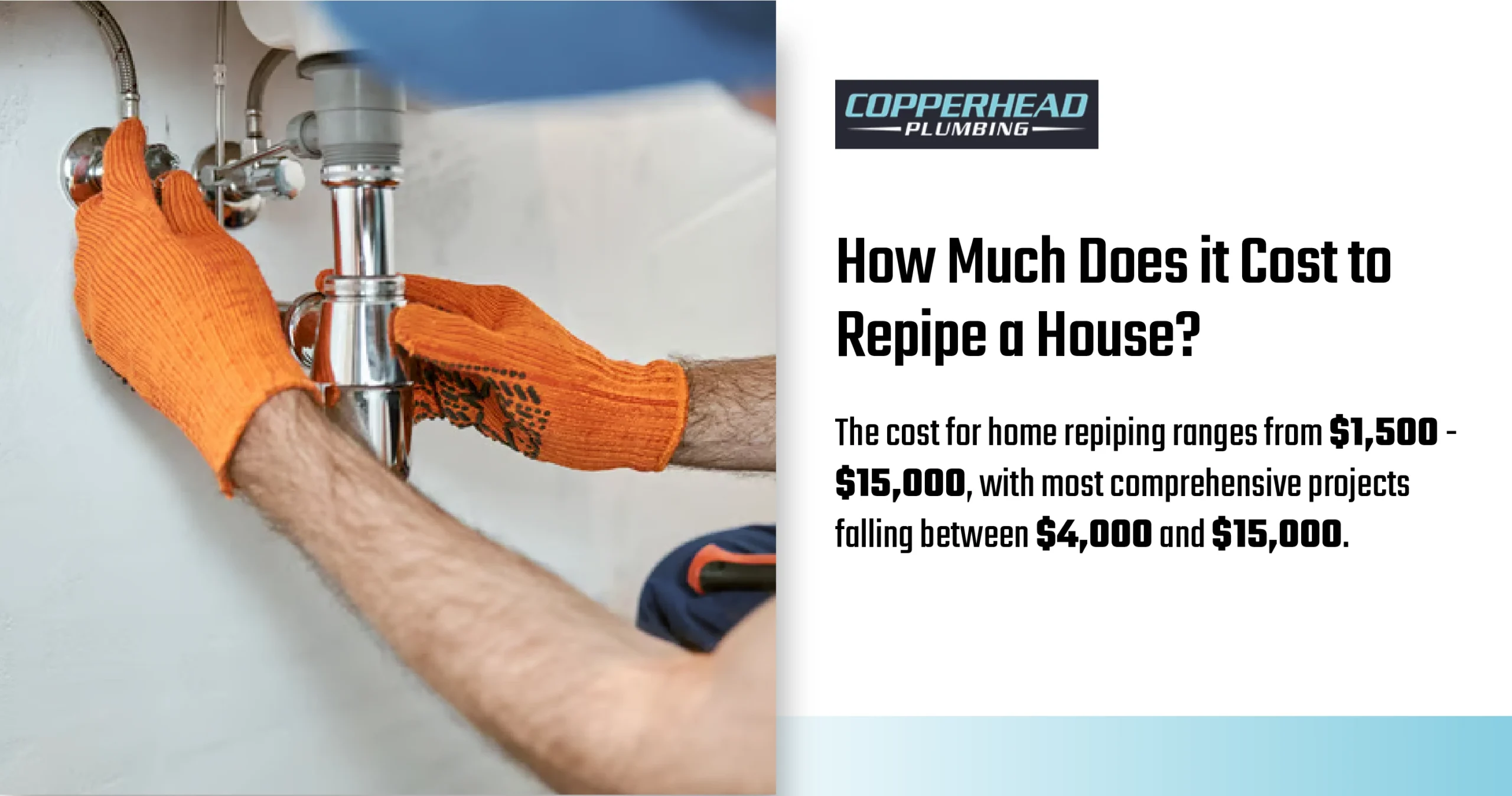
The cost for home repiping ranges from $1,500 to $15,000, with most comprehensive projects falling between $4,000 and $15,000. Understanding these costs is vital, as a full repipe ensures long-term water quality and eliminates hazardous materials like lead. This investment covers the systematic removal of aging lines and the installation of a modern distribution network tailored to your home’s specific architecture.
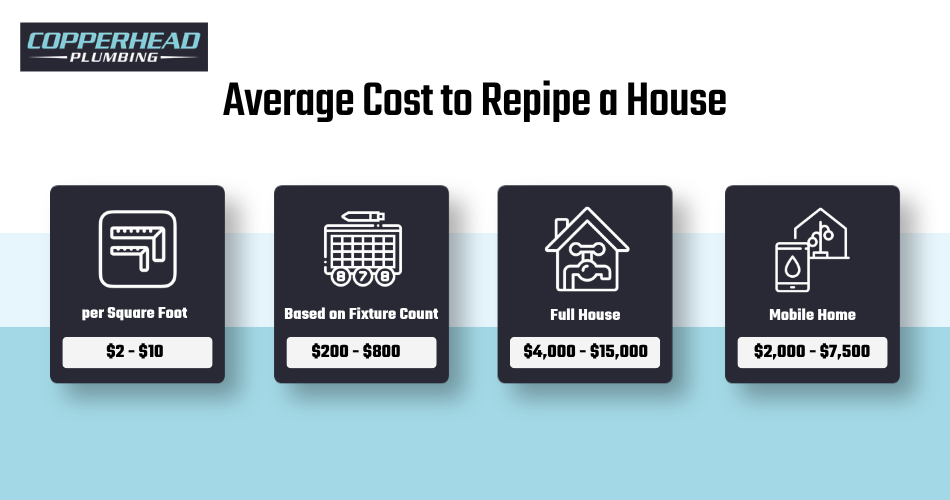
Home size, pipe material, and fixture count primarily drive variation in home repiping costs. While smaller homes or mobile units using flexible PEX piping ($2–$10 per square foot) offer a budget-friendly path, larger multi-story estates using premium copper can see totals exceeding $20,000. Additionally, the number of fixtures, averaging $200 to $800 per connection, directly scales labor intensity and material volume.
Final home repiping pricing depends on local labor rates, structural accessibility, and necessary drywall restoration. Regional differences mean projects in California often cost more than those in Texas. Use these ranges as a baseline when seeking professional estimates, and account for specific structural complexities and local permit requirements.
Average Cost to Repipe a House
The average cost to repipe a house ranges from $7,500 to $15,000. The final price depends on the choice of material, the total square footage of the property, the number of plumbing fixtures, and regional labor rates. A lower-end budget expectation applies to smaller projects using flexible PEX piping in accessible areas. Conversely, high-end pricing is driven by the use of premium copper, complex layouts requiring invasive wall or slab access, and high fixture counts in luxury homes.
How Much Does It Cost to Repipe a House per Square Foot?
Repiping a house per square foot costs between $2 and $10. This rate helps estimate the total project cost, which ranges from $4,000 to $15,000 depending on home size. Larger homes require more pipe and more labor time, which increases the total cost.
Home size is the primary cost factor because the scaling effect is direct. Larger footprints require a greater volume of piping materials and significantly more labor hours to route lines through the expanded layout. While square footage dictates the basic scale, local variables such as the number of bathrooms and general accessibility can shift pricing within that range. Ultimately, complex architectural designs or restricted plumbing access will push the per-square-foot cost toward the higher end of the spectrum.
What Is the Repiping Cost Based on Fixture Count?
The repiping cost, based on the number of fixtures, ranges from $200 to $800 per fixture or more. This metric provides an accurate estimate because it accounts for every point at which water enters or exits the home.
The types of fixtures involved, including bathroom sinks, showers, toilets, kitchen faucets, and laundry connections, each require dedicated lines, shut-off valves, and specific fittings. As the fixture count increases, plumbers must supply a larger volume of materials and spend more time performing precise installations at each location. Increased complexity with more fixtures is inevitable, as high density requires intricate routing through framing. This density ultimately drives up the total repiping cost by requiring greater labor intensity and a more robust network of pipe connections.
How Much Does a Full House Repipe Cost?
A full house repipe costs between $4,000 and $15,000. This investment covers a comprehensive overhaul, ensuring that every supply line is modernized to maintain consistent pressure and improve water quality.
The process involves systematically removing all old hot and cold lines and installing a new distribution network. Unlike partial fixes, a full repipe eliminates the risk of future failures by replacing every pipe from the shut-off valve to the fixtures. Final pricing depends on home size, layout complexity, and material choices like PEX or copper. Total costs scale with square footage. For example, homes under 1,200 square feet cost $1,500 to $5,000. Medium homes reach $4,000 to $10,000, while large properties exceeding 2,000 square feet often cost $8,000 to $20,000 or more.
What Is the Cost to Repipe a Mobile Home?
Repiping a mobile home costs between $2,000 and $7,500, with most homeowners paying around $4,500 for a complete professional job. While smaller single-wide units using PEX piping often fall toward the lower end of this range, larger double-wide homes or projects requiring premium materials like copper can reach the higher end.
These costs differ from standard homes due to unique structural designs. Most mobile homes offer significant accessibility advantages, as plumbing systems often run beneath the structure or through reachable crawl spaces. This allows plumbers to perform replacements without invasive wall cutting, significantly reducing labor hours. However, the final estimate still depends on the existing pipe condition, the total fixture count, and the specific materials. Always obtain a professional assessment to evaluate these variables.
Repiping Cost by Pipe Material
Re-piping costs, based on the selected material, range from $1,500 to $20,000+. While flexible modern plastics like PEX offer the most budget-friendly path, premium metals like copper represent a significant investment in both material and specialized labor. PEX and CPVC represent the more affordable end of the cost spectrum, valued for their resistance to chemical corrosion and ease of routing through existing structures. In contrast, copper sits at the high end of the budget expectation due to its market value and the labor-intensive soldering required for installation.
How Much Does PEX Repiping Cost?
PEX repiping costs between $4,000 and $10,000 for an average-sized home. This material has become the industry standard for residential overhauls because it provides a reliable, long-lasting solution at a significantly lower price point than traditional metal alternatives.
The primary reason PEX is more affordable is its flexibility and ease of installation. Unlike rigid pipes that require constant cutting and soldering, PEX can be snaked through walls and around structural obstacles in long, continuous runs. This characteristic creates a major labor cost advantage, as plumbers spend less time on complex fittings and invasive demolition. Consequently, PEX is suitable for most modern homes because it minimizes property disruption while delivering a highly efficient and burst-resistant plumbing network.
What Is the Cost of Repiping with Copper Piping?
Copper repiping costs between $5,000 and $20,000 or more, with most homeowners paying around $8,000 to $12,000 for a full project. The higher cost comes from both expensive copper material and labor-intensive installation. Plumbers have to measure, cut, and solder each pipe section, which increases time and labor costs.
Unlike modern plastic piping, copper requires a careful, labor-intensive process in which plumbing technicians must precisely measure, cut, and solder each joint to ensure a watertight seal. Despite these upfront expenses, copper is widely valued for its exceptional durability and longevity. Its ability to withstand high pressure, resist corrosion, and maintain water quality over several decades often makes it the preferred choice for homeowners prioritizing long-term reliability and property value over initial installation savings.
What Does It Cost to Repipe a House with CPVC?
The cost of repiping a house with CPVC ranges from $4,000 to $10,000 for a standard 1,500-square-foot, 2-bathroom home. This material provides a reliable alternative for homeowners seeking a rigid piping system that is more budget-friendly than traditional metal options. CPVC occupies a mid-range pricing position, falling between the high cost of copper and the budget-friendly flexibility of PEX.
It is highly valued for its specialized heat and chemical resistance, which allows it to handle high-temperature water and harsh chemical environments without corroding or degrading over time. Because of this balance of affordability and durability, CPVC is commonly used in residential plumbing systems where reliable long-term performance and moderate installation costs are the primary objectives.
What Is the Cost of Replacing Galvanized Steel Pipes?
The cost of replacing galvanized steel pipes ranges from $4,000 to $15,000, though average projects often fall between $5,000 and $10,000. Total expenses vary with home size, the number of fixtures, and system accessibility.
They require the extraction of rigid, threaded pipes that have likely fused over time. Upgrading to modern alternatives provides significant heat and chemical resistance while eliminating the rust and mineral buildup inherent to old steel. This replacement is commonly used in older residential properties where restoring consistent water pressure and ensuring long-term water quality are the primary goals.
How Much Does Polybutylene Pipe Replacement Cost?
Polybutylene pipe replacement costs between $3,000 and $15,000 for a whole-home repipe. Though minor repairs may range from $300 to $1,500. Total expenses are primarily determined by the chosen replacement material, the home’s size and layout, and the overall accessibility of the plumbing lines.
Replacing these pipes is critical because polybutylene is notorious for a high failure risk. Water chemicals cause these pipes to become brittle and crack internally, leading to catastrophic leaks. Because of this well-documented volatility, many insurance companies refuse to provide coverage for homes with these systems, and staying compliant with modern building standards often requires a total replacement to maintain property value and insurability.
How Much Does Lead Pipe Replacement Cost?
Lead pipe replacement costs range from $1,200 to $12,300, with most homeowners paying an average of $4,700 to $5,000 per line. Total expenses depend on the pipe’s length, the required excavation depth, and your specific location.
This replacement is vital due to the health risks associated with lead exposure. As a neurotoxin, lead leaches into the water supply, posing severe developmental threats to children and long-term risks to all residents. Consequently, regulatory requirements and local safety codes often mandate the removal of lead infrastructure to ensure compliance and maintain property safety.
Repiping Cost by Home Size and Layout
The cost of repiping, based on home size and layout, ranges from $1,500 to $20,000+, depending on total square footage and the number of plumbing fixtures. While size provides a baseline for material needs, the layout and accessibility of the pipes dictate the final labor intensity and overall price. Total square footage directly impacts the volume of materials required and the time needed to pull new lines through the structure.
| Home Size | Square Footage | Cost Range |
| Small (1–2 Bedrooms, 1 Bathroom) | Under 1,200 | $1,500 – $5,000 |
| Medium (3 Bedrooms, 2 Bathrooms) | 1,200 – 2,000 | $4,000 – $10,000 |
| Large (4+ Bedrooms, 3+ Bathrooms) | 2,000+ | $8,000 – $20,000+ |
What Are the Factors that Affect the Cost of Repiping a House?
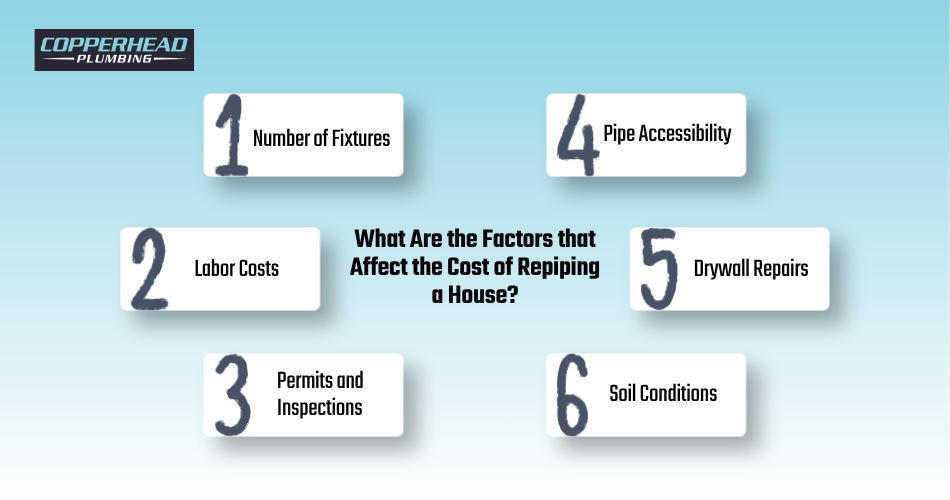
The factors affecting the cost of repiping a house include the number of fixtures, regional labor rates, permit requirements, pipe accessibility, necessary drywall repairs, and local soil conditions. Each of these variables contributes to the total project investment by influencing the volume of materials required and the specialized labor hours needed for installation.
Number of Fixtures
The number of fixtures directly affects repiping costs, which range from $200 to $800 per fixture, with high-end estimates reaching $1,800 per fixture. As fixture count increases, plumbers must install more piping lines, fittings, and valves, which raises both material and labor costs. Each additional fixture also increases system demand, requiring more planning and precise installation. Homes with higher fixture density have more complex plumbing systems, which leads to higher total repiping costs.
| Fixture Count | Estimated Cost per Fixture | Impact on Total Cost |
| 1–5 fixtures | $200 – $500 | Lower material and labor demand |
| 6–10 fixtures | $400 – $800 | Moderate increase in piping and labor |
| 10+ fixtures | $800 – $1,800 | High system complexity and cost |
Labor Costs
Labor costs for repiping range between $50 and $200 per hour, accounting for about 70% of the total repiping project budget. Professional labor charges increase with project duration and complexity, especially in homes with difficult access, multiple fixtures, or extensive pipe routing.
Skilled labor is required to remove old pipes, install new lines, and ensure proper system function, which adds to the overall cost. Labor remains a major portion of the total repiping cost due to time, expertise, and installation demands.
Permits and Inspections
Plumbing permits and inspections cost between $50 and $500, depending on your municipality and the scope of the project. Although a minor part of the overall budget, these fees are essential to ensure that the work is performed legally and meets safety standards.
A professional plumbing inspector must verify that the new lines are installed correctly before walls are sealed, protecting the home from future failures. These requirements vary by location, as some regions base fees on fixture counts while others use flat rates. Adhering to these regulations is necessary to maintain home insurability and property value during future sales.
Pipe Accessibility
The ease of accessing your plumbing lines is one of the most significant factors in overall project pricing, with accessible repairs starting at $150 to $500. For full-scale projects, a standard single-story home with easy access ranges from $4,000 to $8,000, while homes with difficult or hidden entry points often cost $10,000 to $15,000.
Exposed pipes in basements or crawl spaces allow for rapid installation. Conversely, lines buried in slabs or behind walls require extensive demolition and specialized equipment. These constraints directly extend the project duration and increase professional fees, making accessibility a primary factor in the final bill.
Drywall Repairs
Drywall repair during repiping costs between $300 and $2,500 or more, depending on the number and size of wall openings. Plumbers cut into walls to access hidden pipes, which makes repair and finishing necessary after installation. Costs include patching holes, smoothing surfaces, and repainting affected areas. Post-installation work varies based on the extent of damage and the quality of the finish. Restoration adds to the total repiping cost and should be included in the overall budget.
| Repair Type | Cost Range | Scope of Work |
| Minor Patch Repairs | $300 – $800 | Small holes, basic patch, and finish |
| Moderate Repairs | $800 – $1,500 | Multiple cuts, patching, and repainting |
| Extensive Replacement | $1,500 – $2,500+ | Large sections, full drywall replacement, and finishing |
Soil Conditions
Soil conditions play a critical role in repiping cost, especially in homes with underground or slab plumbing systems. Corrosive soils with high moisture or clay content can damage pipes, such as copper, leading to early replacement. Difficult ground conditions, such as rocky or unstable soil, increase excavation time, labor costs, and equipment needs. Shifting soil can also cause slab leaks, requiring rerouting at $3,500 to $7,000 or full repiping at $6,000 to $15,000 or more. These factors mainly affect underground work and can significantly raise the total project cost.
| Soil Condition Type | Cost Impact Range | Effect on Repiping Work |
| Corrosive Soil | $6,000 – $15,000+ | Accelerates pipe damage, requires full repipe |
| Soil Movement | $3,500 – $7,000 | Causes slab leaks, may require pipe rerouting |
| Rocky/Hard Soil | Varies (higher labor) | Increases excavation difficulty and labor costs |
| Additional Repairs | $300 – $900 | Drywall repair due to internal pipe damage |
| Permits & Engineering | $50 – $500 | Higher fees for complex soil-related compliance |
What Does Each Repiping Activity Cost?
Repiping activities include pipe assessment ($250–$1,175), extraction of old lines ($1,000–$5,000), and new pipe installation ($3,000–$16,000). Specialized tasks like concrete cutting ($300–$6,750), pressure testing ($250–$500), and final cleanup or drywall finishing ($300–$2,000+) round out the project. These individual costs reflect varying labor intensity and technical requirements. When combined, these sequential steps form the complete project scope, ensuring that your plumbing system is fully modernized, safely verified, and aesthetically restored to its original condition.
How Much Does Pipe Inspection and Assessment Cost?
Pipe inspection and assessment costs between $250 and $1,175, with most residential services averaging $300 to $700. These inspections evaluate the condition of the plumbing system and help identify issues before repiping begins.
- Visual Inspection: $100 – $300, checks accessible pipes and fixtures for visible damage.
- Sewer Camera Inspection: $250 – $1,175, uses a camera to inspect underground lines and detect blockages.
- Combination Inspection: $300–$1,300+, including both visual and camera methods for a full system evaluation.
- Septic Inspection: $200 – $700, assesses septic system condition based on inspection depth.
Accurate inspection helps define project scope and ensures precise repiping cost estimation.
What Do Plumbers Charge to Remove Old Pipes?
Plumbers charge between $1,000 and $5,000 to remove existing plumbing lines as part of a comprehensive whole-home repiping project. This price covers the extraction of outdated lines and is largely influenced by labor intensity, with professional rates ranging from $45 to $200+ per hour.
The complexity of the task depends on the pipe material and location; removing heavy galvanized steel or cast iron requires more time and effort than lighter materials. Furthermore, disposal requirements for old debris and the difficulty of navigating restricted spaces add to the bill. Ultimately, the total hours needed to safely disconnect and haul away the old system significantly impact the final project investment.
How Much Does New Pipe Installation Cost?
Installing a new plumbing system costs between $3,000 and $16,000. The total price depends on the home’s square footage, the number of bathrooms, and whether the job is new construction or a replacement.
The material-and-labor split is a primary cost driver, with professional labor accounting for the largest portion of the budget. Furthermore, pipe type affects the final cost: flexible PEX reduces material and labor expenses, whereas copper is more expensive and requires specialized installation. Ultimately, these factors combine to define the total project cost, making material selection vital for balancing budget and performance.
What Does Concrete Cutting and Repair Cost During Repiping?
Concrete cutting and restoration add between $300 and $ 6,750 to the total project cost. For standard slab leak repairs, homeowners generally pay between $1,500 and $4,500+. These figures vary based on the concrete thickness and the total linear footage requiring cutting to reach the compromised plumbing.
It is required when pipes are buried directly beneath the home’s foundation. Technicians must use specialized saws to create trenches for removing old lines and laying new ones. Once the plumbing is secured, repair and restoration involve backfilling the trench, pouring new concrete, and finishing the surface to match the surrounding floor. Consequently, slab homes face significantly higher repiping expenses than those with crawl spaces, as the invasive nature of foundation work increases both labor hours and material requirements.
How Much Do Plumbers Charge for Pressure Testing After Repiping?
A comprehensive hydrostatic pressure test on the water supply costs between $250 and $500, while basic diagnostic fees for minor checks range from $75 to $150. The final price depends on the home’s size and the complexity of the newly installed plumbing architecture.
This testing is a vital component of quality assurance. By pressurizing the system beyond normal operating levels, plumbers can identify even the smallest leaks or weak connections before the walls are sealed. This rigorous system verification ensures that every joint and fitting can withstand long-term use. A successful pressure test is the standard requirement for passing local building inspections, providing peace of mind that the installation is sound and compliant with safety codes.
What Is the Cost of Cleanup and Finishing After Repiping?
The cost of cleanup and finishing after a repiping project ranges from $300 to over $2,000. These expenses cover the essential tasks required to restore the home’s interior after the invasive plumbing work is finalized, ensuring that the living space is both clean and aesthetically reinstated.
This post-project restoration involves a wide scope of work, primarily focusing on the areas where walls or ceilings were opened to access the pipes. The finishing work includes patching drywall, applying texture to match existing surfaces, and painting the repaired sections. Beyond structural repairs, professional cleanup costs cover the removal of construction dust and debris. These final costs vary significantly based on the total number of access holes created and the level of precision required for a seamless repair.
How Much Does Repiping Cost in Different States?
In high-cost areas like California, project totals range from $3,000 to $30,000, whereas in states like Texas, the same service may range from $3,000 to $11,000. While the national average centers around $7,500 to $10,000, regional economic factors can push these figures much higher or lower.
| State/Region | Cost Range | Cost Factors |
| National Average | $1,500 – $15,000 | Varies by home size, material, and accessibility |
| California | $5,000 – $30,000+ | High labor rates, strict codes, and high living costs |
| New York | $6,000 – $25,000+ | High labor costs, permit fees, dense housing |
| Florida | $3,000 – $12,000 | Moderate labor costs, humidity-related factors |
| Texas | $3,000 – $11,000 | Lower labor costs, moderate permit fees |
Additional Costs to Consider When Repiping a House
Consider water main replacement ($600–$2,500+), water heater installation ($1,000–$3,500), pipe insulation ($350–$850), and fixture upgrades ($100-$1,800 per unit) when repiping a house. These integrated services leverage existing labor access to improve efficiency, protect against freezing, and enhance overall property value through modernized plumbing components.
How Much Does Water Main Replacement Add to Repiping Cost?
Replacing a water main adds $600 to $2,500+ to a whole-home repiping project. While the interior plumbing focuses on distributing water within the house, this specific task addresses the critical line connecting your home’s system to the municipal supply or well.
This service is required when the existing connection is corroded, leaking, or made of outdated materials like galvanized steel. Because this pipe is buried underground, excavation requirements are the primary driver of the added expense. Factors such as the line’s depth, the distance from the street, and the presence of obstacles like driveways or mature landscaping can significantly increase labor time. Ultimately, the longer the pipe run and the more complex the digging process, the higher the total cost for this essential infrastructure upgrade.
What Is the Price of Water Heater Installation When Repiping?
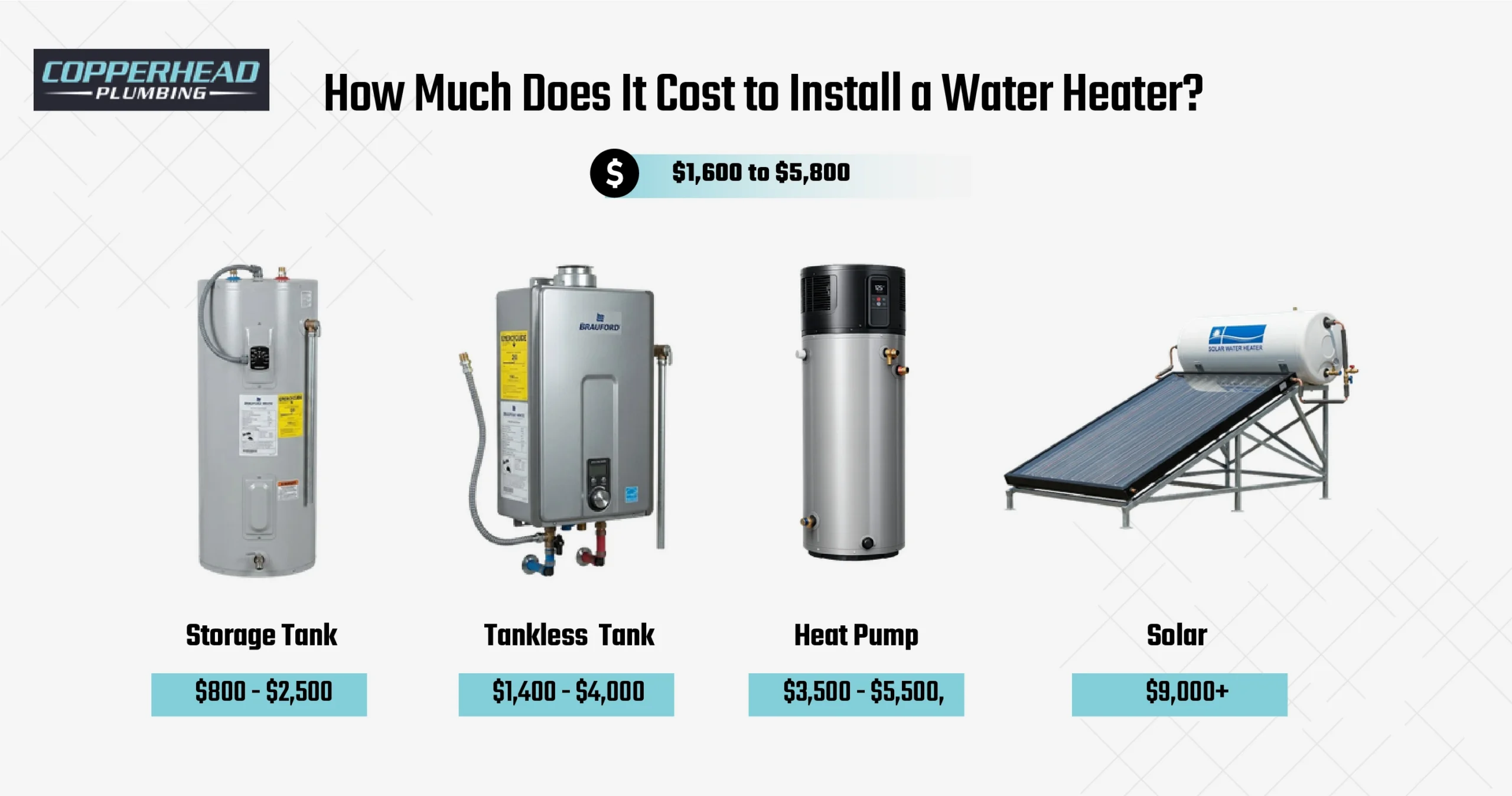
Water heater installation during repiping costs between $1,000 and $3,500 or more, depending on the system type and installation complexity. Homeowners often upgrade the water heater during repiping because plumbers are already working on the plumbing system, which simplifies integration and reduces additional labor.
Common options include traditional tanks, which are budget-friendly. Choose tankless units to save space, as they heat water on demand. High-efficiency hybrids use heat pump technology to provide long-term energy savings. Each type has unique installation requirements for venting and line capacity that affect your total project cost. New installations ensure compatibility with updated water lines and improve system performance. Labor costs, equipment type, and installation requirements affect final prices, especially when switching to advanced units.
How Much Should You Budget for Pipe Insulation When Repiping?
Professional pipe insulation costs between $350 and $850 when performed as part of a repiping project. This investment covers the materials and labor required to wrap newly installed lines, particularly those in unconditioned spaces such as attics, crawl spaces, or exterior walls. Integrating insulation provides significant energy-efficiency benefits by maintaining consistent water temperatures and reducing heat loss in hot-water systems.
Beyond thermal retention, it offers critical protection against temperature changes, preventing pipes from sweating in humid conditions or freezing during extreme cold snaps. While adding insulation increases the immediate total repiping cost, the long-term improvement in system efficiency and the prevention of temperature-related damage make it a valuable addition to any plumbing overhaul.
What Is the Price of Upgrading Fixtures When Repiping?
Upgrading fixtures during repiping adds $100 to $1,000 or more per fixture, with average labor and standard materials costs ranging from $550 to $1,800. Homeowners opt for upgrades during repiping because plumbers already have access to the water lines, reducing the need for separate installations and avoiding repeated labor.
- Toilets: Installation starts around $220, depending on model and labor complexity.
- Showers or Bathtubs: Costs range from $600 to $1,600, depending on size and installation.
- Sinks and Faucets: Pricing ranges from $200 to $800, depending on materials and design.
- Dishwashers or Washing Machines: Installation ranges from $300 to $1,500 with connection work.
- Water Heater Replacement: Adds $800-$2,500 when integrated with the plumbing system.
- Shut-off Valves: Replacement costs about $50-$100 per valve for improved control.
These upgrades depend on labor cost, accessibility, material quality, and fixture relocation, and they increase the total repiping cost.
What Are the Signs Your House Needs Repiping?
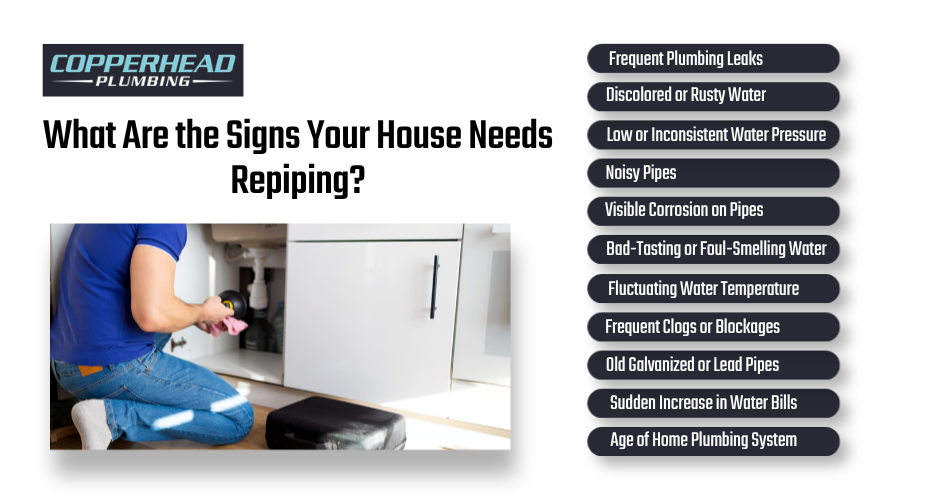
The signs your house needs repiping include frequent plumbing leaks, discolored or rusty water, low pressure, noisy pipes, visible corrosion, bad taste or smell, temperature fluctuations, recurring clogs, outdated pipe materials, rising water bills, and an aging plumbing system. These issues indicate pipe damage, internal buildup, or system failure that affects water quality and flow. Identifying these warning signs early helps prevent costly repairs and water damage. If multiple issues appear together, the need for full repiping becomes more urgent.
- Frequent Plumbing Leaks
Repeated leaks signal damaged or worn pipes. Corrosion or pressure issues often cause these failures, which increase the need for full repiping.
- Discolored or Rusty Water
Brown or yellow water indicates corrosion inside pipes. Rust buildup affects water quality and shows that pipe replacement is necessary.
- Low or Inconsistent Water Pressure
Weak or uneven pressure suggests blockages or leaks. Mineral buildup or pipe damage reduces flow and signals the need for repiping.
- Noisy Pipes
Banging or rattling sounds indicate a pressure imbalance or loose pipes. These issues often result from aging plumbing systems that require replacement.
- Visible Corrosion on Pipes
Rust, flaking, or discoloration on exposed pipes shows material breakdown. Corroded pipes weaken over time and need replacement.
- Bad-Tasting or Foul-Smelling Water
Unpleasant taste or odor suggests contamination or pipe decay. Old pipes affect water quality and require replacement.
- Fluctuating Water Temperature
Sudden temperature changes indicate flow issues or failing pipes. These problems reduce system efficiency and signal the need for repiping.
- Frequent Clogs or Blockages
Recurring clogs point to pipe damage or buildup. Narrowed pipes restrict flow and increase the need for replacement.
- Old Galvanized or Lead Pipes
Outdated materials degrade over time. These pipes pose safety risks and should be replaced with modern piping systems.
- Sudden Increase in Water Bills
Higher bills often result from hidden leaks. Continuous water loss indicates pipe damage and the need for repiping.
- Age of Home Plumbing System
Plumbing systems older than 40–50 years often fail. Aging pipes lose strength and require full replacement to maintain reliability.
How Long Does It Take to Repipe a House?
Repiping a house takes 2 to 5 days for a professional crew. Smaller homes with one or two bathrooms finish in 1 to 2 days, while larger multi-story homes with three or more bathrooms can take up to a week. The timeline depends on home size, plumbing complexity, pipe material, accessibility, and crew experience. The process includes installation in 2 to 5 days, inspection in about 1 day, and restoration, such as drywall repairs, in 1 to 2 days. Actual timelines may vary based on project conditions and unexpected issues.
What Are the Tips to Save Money on Repiping Costs?
You can save money on repiping costs by choosing affordable pipe materials, comparing quotes, bundling work, scheduling at the right time, preparing the home, using financing options, checking for rebates, and hiring licensed professionals, because each step directly reduces material and labor costs or avoids unnecessary expenses. These strategies help control the total cost while maintaining a reliable plumbing system. The tips below explain how each action improves cost efficiency and supports better project planning.
- Choose PEX Over Copper Pipes
Opting for this material reduces both labor and supply expenses. PEX piping is flexible, requires fewer fittings, and reduces installation time, which makes it suitable for most modern plumbing systems.
- Get Multiple Quotes From Local Plumbers
Comparing estimates from several licensed professionals helps you evaluate pricing and scope. A detailed estimate highlights differences in labor costs, materials, and included services, which prevents hidden charges.
- Bundle Repiping With Other Renovation Work
Combining pipe replacement with a remodel lowers overall labor fees. Open walls allow faster pipe installation and reduce the need for additional drywall repairs and finishing expenses.
- Schedule Repiping During Off-Peak Season
Booking your project during periods of lower demand lead to reduced labor charges. Plumbers often offer better rates when demand is lower, which helps control the total cost.
- Handle DIY Prep Work Before Plumbers Arrive
Taking care of basic setup saves billable labor time. Clearing access areas and protecting surfaces allows plumbers to work efficiently and complete tasks faster.
- Ask About Financing and Payment Plans
Inquiring about available funding options helps manage upfront costs. Payment plans spread expenses over time, which makes large repiping projects easier to handle.
- Check for Local Rebates and Water Agency Credits
Searching for incentives can reduce your total out-of-pocket expense. Some agencies provide incentives for upgrading plumbing systems, especially when replacing old pipes.
- Hire Licensed Repiping Contractors to Avoid Costly Mistakes
Working with qualified repiping contractors prevents expensive errors. Proper installation reduces future repairs, improves system performance, and protects long-term investment.